

Free guide for Type 1, Type 2 and gestational diabetes
Just diagnosed with diabetes?
You don't have to figure this out alone.
Type Strong's free guide is a beginner-friendly starting point for anyone newly diagnosed with Type 1, Type 2 or gestational diabetes. It explains what diabetes means in plain language, the first steps to take after diagnosis, and how blood sugar, food, movement and insulin work together.
It comes with a printable blood glucose tracking sheet and is delivered instantly by email.


Inside this free guide, you'll learn:
- What diabetes actually means, explained simply
- The first steps to take after diagnosis, without panic
- How blood sugar, food, movement and insulin work together
- Practical tools to help you feel calmer and more prepared
- Reassurance from someone who's been exactly where you are
Don't worry, no spam. Just the guide, and you can unsubscribe any time.
Feeling overwhelmed right now? That's normal.
Being diagnosed with diabetes can feel like everything changes overnight.
Suddenly there are numbers, appointments, new routines, food rules and a lot of information - often delivered all at once, with very little clarity.
You might be feeling:
- Confused about what actually matters right now
- Nervous about getting things “wrong”
- Overwhelmed by medical jargon
- Unsure how this will fit into your everyday life
Diabetes Australia describes feeling overwhelmed after a diagnosis as a normal response, and the CDC puts it simply: “Whatever you're feeling is OK, and you're not alone.”
This guide was created to slow things down. No pressure. No perfection. Just calm, practical guidance, one step at a time.


From someone who's been there
Hi, I'm Ryan.
I'm the founder of Type Strong. I was diagnosed with Type 1 diabetes in 2019, and I made this free guide for people newly diagnosed with diabetes because it is the calm, practical starting point I wish I'd had in my own overwhelming first weeks.
There was too much information, not enough clarity, and very little guidance on how to live a normal, active life with diabetes.
Type Strong was born from that experience.
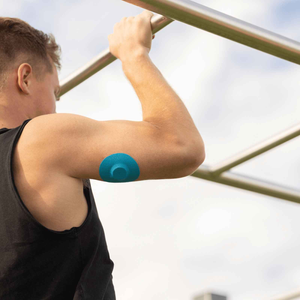
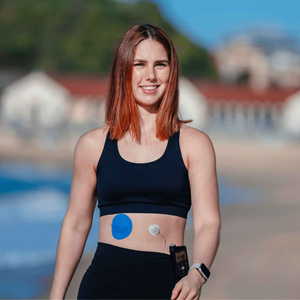
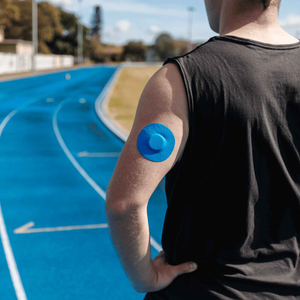
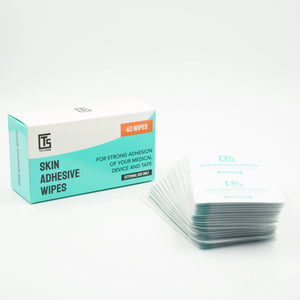
Today, Type Strong makes adhesive overpatches that go on top of a CGM, giving the sensor's own adhesive some backup through showers, sweat and everyday knocks.
This guide is the resource I wish someone had given me on day one: calm, practical and human.
You don't need to master everything immediately. You just need a place to start.
Written by Ryan Lecchi from his lived experience with Type 1 diabetes. This guide provides general information, not medical advice. Your care team sets your personal plan. ( use this if nobody else reviewed the guide)
Get the free guide
No spam. Just the guide, and you can unsubscribe at any time.
Start here
Start here: reading for your first weeks

You don't have to do this alone.
Join the Type Strong community on Facebook to ask questions and hear from people who have been where you are.
Join the communityAlready wearing a CGM or pump?
Pick your device.
Type Strong makes patches for Dexcom G6, Dexcom G7 and ONE +, FreeStyle Libre, Medtronic Guardian and Omnipod. Each one goes on top of your sensor or pod (the G6 patch frames the sensor) to help keep it secure. Choose your device to see the right one
Common first questions
Common First Questions after a Diabetes diagnosis
What happens after you are newly diagnosed with diabetes?
Most people start by learning the basics and building a healthcare team. That team may include a GP, endocrinologist, diabetes educator, dietitian and exercise physiologist. Type Strong's guide walks through the first steps in plain language, including what to focus on now and what can wait.
Sources: Diabetes Australia and NDSS.
Is it normal to feel overwhelmed after a diagnosis?
Yes. Diabetes Australia says that feeling overwhelmed, experiencing a range of emotions and having a lot of questions after a diagnosis " is a normal response", and the CDC puts it simply: "Whatever you 're feeling is OK, and you 're not alone." Type Strong's founder Ryan, diagnosed with Type 1 diabetes in 2019, wrote the free guide to slow those first weeks down and take them one step at a time.
Sources: Diabetes Australia and CDC.
Can I still have a normal life with diabetes?
Many people do. The CDC notes that "people with diabetes are living longer, healthier lives than ever before with fewer complications". Type Strong's free guide covers the everyday side, from meals and movement to sleep and stress, alongside the plan you build with your care team.
Source: CDC.
What can I eat after a Type 2 diabetes diagnosis?
There is no single plan for everyone. A dietitian or diabetes educator can shape advice around your health, culture, preferences and routine. The guide explains how to think about meals without extreme rules, but it does not replace personalised advice from your care team.
Sources: CDC and Diabetes Australia.
Will I need a CGM?
It depends on your care plan. Whether you check your glucose with a continuous glucose monitor (CGM) or with finger- prick tests is something to decide with your care team, and the American Diabetes Association describes blood glucose monitoring as "the primary tool you have to find out if your blood glucose levels are within your target range". If you do start on a CGM such as a Dexcom or FreeStyle Libre sensor, Type Strong makes adhesive overpatches that go on top of it, backing up the sensor's own adhesive so it is less likely to be knocked loose before the end of its wear time.
My child has just been diagnosed with Type 1. Where do I start?
Your child's diabetes team is the first place for questions about their care. Breakthrough T1D offers a Bag of Hope kit for children newly diagnosed with Type 1, and Type Strong's free guide covers blood sugar basics and first steps, which can help you follow what the team explains
Source: Breakthrough T1D.
Is the guide really free?
Yes. Enter your first name and email and Type Strong's beginner guide, with a printable blood glucose tracking sheet, arrives by email. No spam, and you can unsubscribe any time.