


Just Diagnosed With Diabetes? Helpful Resources to Get You Started

Being told you have diabetes can feel overwhelming. One appointment can leave you with more questions than answers, and suddenly you’re expected to understand blood sugar numbers, food choices, monitoring tools, and lifestyle changes all at once.
If you’re newly diagnosed, it’s important to know this first: you don’t need to figure everything out immediately. The early days are about learning, not perfection. Having the right resources can make a huge difference in how confident and supported you feel moving forward.
Below are some genuinely helpful starting points to guide you through those first weeks.
Why the First Few Weeks After Diagnosis Feel So Hard
Many people describe the early stage of a diabetes diagnosis as mentally exhausting. There’s often:
- Too much information delivered too quickly
- Conflicting advice from different sources
- Pressure to “do everything right” straight away
It’s normal to feel confused or anxious. Diabetes management is a long-term journey, and the goal early on is clarity, not control. Starting with simple, trustworthy resources helps reduce overwhelm and builds confidence step by step.
Start With the Basics (Not Everything at Once)
One of the most helpful things you can do after diagnosis is focus on understanding the fundamentals before diving into details.
Key basics to get comfortable with include:
- What diabetes is and how it affects blood sugar
- The difference between Type 1, Type 2, and gestational diabetes
- How blood sugar and insulin work together
A good beginner resource explains these concepts in plain language, without medical jargon or pressure. The free guide “I’ve Just Been Diagnosed With Diabetes… Now What?” was created specifically for this moment, breaking down the essentials in a calm, practical way and reminding readers they’re not alone in this process
Use Tools That Make Daily Life Easier
Monitoring your blood sugar is one of the most powerful tools you’ll use, but it doesn’t need to be complicated.
Most people will use one of two approaches:
- Finger-prick blood glucose monitors, which provide quick readings at specific times
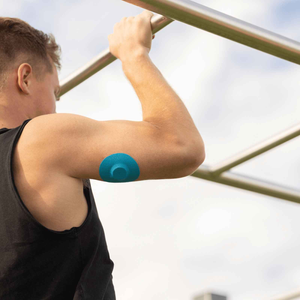
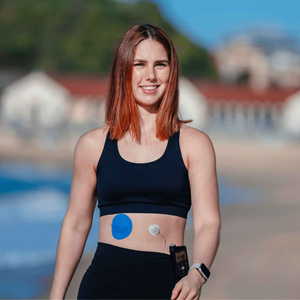
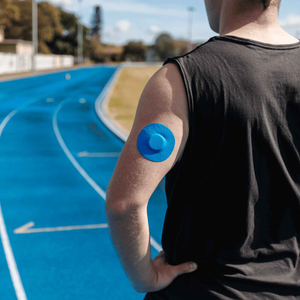
- Continuous glucose monitors (CGMs), which track patterns throughout the day
Early on, the focus isn’t “perfect numbers.” It’s noticing patterns and learning how your body responds to food, movement, stress, and sleep.
The downloadable guide includes a simple blood sugar tracking sheet and explains when and why to check your levels, helping turn data into useful insight rather than added stress.
Food, Movement, and Lifestyle: Keep It Simple
You don’t need to overhaul your entire life after a diabetes diagnosis. Small, consistent changes are far more effective than drastic ones.
Helpful early principles include:
- Eating regular meals with a balance of vegetables, protein, fats, and carbohydrates
- Avoiding sugary drinks most of the time
- Adding gentle movement, such as short walks after meals
- Prioritising sleep and managing stress where possible
The goal is sustainability. Resources that encourage flexibility and realistic habits are far more helpful than rigid rules, especially in the early stages.
Don’t Ignore the Emotional Side of Diabetes
Diabetes isn’t just physical. Many newly diagnosed people experience fear, frustration, guilt, or burnout, even when they’re doing everything “right.”
Emotional support matters just as much as education. Connecting with others, celebrating small wins, and being kind to yourself are all part of long-term health.
The guide openly addresses the emotional side of diagnosis and encourages readers to focus on progress over perfection, reminding you that every small step counts
A Free Guide to Help You Take the First Step
If you’re feeling unsure where to begin, the free PDF “I’ve Just Been Diagnosed With Diabetes… Now What?” is designed to be a calm starting point.
Inside, you’ll find:
- Clear explanations of diabetes and blood sugar basics
- Practical first steps you can take immediately
- Simple tracking tools you can print or use digitally
- Reassurance from someone who’s been exactly where you are
It’s not about doing everything at once. It’s about taking the next right step, at your own pace.
Download the free guide and give yourself a clearer, calmer starting point today.


