


A simple daily diabetes routine that works

Living with diabetes can sometimes feel overwhelming. Between monitoring glucose levels, planning meals and staying active, it may seem like there are many moving parts to manage each day.
The good news is that building a simple daily diabetes routine can make blood sugar management more predictable and less stressful. Small, consistent habits often make the biggest difference over time.
For many people today, tools such as CGM patch systems and continuous glucose monitoring devices help make this routine easier by providing ongoing insight into how daily habits affect glucose levels.
This guide explains how a realistic daily routine can help support better glucose control while still fitting into everyday life.
Why daily routines matter for diabetes management
A consistent routine helps keep blood sugar levels within a target range as often as possible.
Maintaining stable glucose levels can help reduce the risk of long-term complications such as heart disease, nerve damage and vision problems.
Many people find that a routine helps them:
-
Monitor glucose levels more consistently
-
Eat meals at regular times
-
Plan physical activity
-
Notice patterns in blood sugar changes
-
Respond quickly to highs or lows
Technology such as CGM systems can make this easier. Sensors supported by CGM adhesive patches allow people to track glucose levels throughout the day without repeated finger-prick tests.
If you are new to sensor protection, our guide Do you really need a patch for your CGM? A beginner’s guide explains why many users add additional adhesive support to help keep sensors secure.
Morning routine: start with glucose awareness
A structured routine often begins as soon as you wake up.
Checking your glucose in the morning helps you understand how your body responded overnight.
Typical steps in a morning diabetes routine include:
-
Checking your glucose levels
-
Reviewing CGM trends
-
Taking medication or insulin if prescribed
-
Planning meals for the day
-
Hydrating with water
People using CGM technology can quickly review overnight glucose patterns using their sensor readings. These patterns often reveal how sleep, stress or late meals affect blood sugar.
Understanding these patterns becomes easier when sensors remain securely in place throughout the wear period. Our article How long should a CGM patch last? What to expect explains how long most patches are designed to stay secure.
Checking blood sugar throughout the day
How often you check your glucose depends on your diabetes type and treatment plan.
Typical times people check their glucose include:
-
When they wake up
-
Before meals
-
Two hours after meals
-
Before bedtime
People with type 1 diabetes or those taking insulin may check more frequently, particularly before exercise or driving.

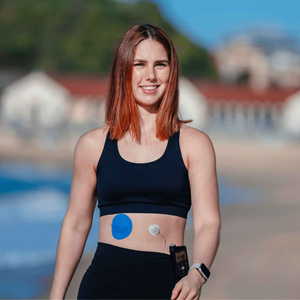
Continuous glucose monitoring systems measure glucose every few minutes. A small sensor under the skin sends readings to a smartphone or receiver, allowing people to see trends instead of single measurements.
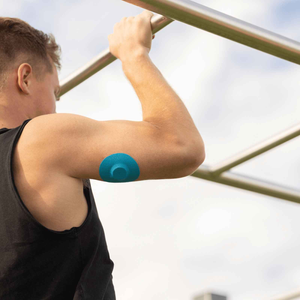
Because these sensors stay attached to the skin for several days, many users rely on CGM patches to help prevent sensors from lifting during normal activities.
For example, flexible overlays like Dexcom G7 adhesive patches are designed to support sensors while allowing comfortable movement.
Users wearing Libre sensors often prefer sensor-shaped overlays such as FreeStyle Libre adhesive patches to help reduce edge lifting during the sensor cycle.
Eating regularly and balancing carbohydrates
Food choices play an important role in blood sugar control.
Carbohydrates raise blood glucose levels more quickly than proteins or fats, so understanding how carbs affect your body can help improve stability.
A simple daily eating routine often includes:
-
Eating meals at regular times
-
Avoiding skipped meals
-
Choosing balanced meals with fibre, protein and healthy fats
-
Monitoring carbohydrate intake
-
Drinking water instead of sugary drinks
Tracking food alongside glucose trends can reveal how different meals affect blood sugar levels.
Some CGM users find this easier when sensors remain stable during daily movement. Preparing skin before applying a patch may help improve adhesion. Many people use Type Strong skin adhesive wipes before applying their sensor patch.
Adding regular physical activity
Exercise is one of the most effective ways to help manage blood sugar.
Physical activity helps the body use insulin more efficiently and can reduce glucose levels during and after exercise.
A healthy daily routine may include:
-
Walking after meals
-
Cycling or swimming
-
Strength training
-
Stretching or mobility work
Health guidelines often recommend around 30 minutes of moderate activity most days of the week.

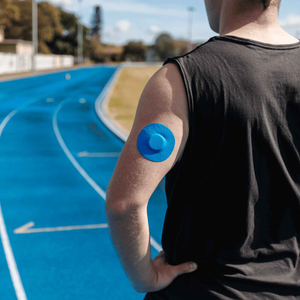
Exercise can sometimes cause CGM sensors to loosen due to sweat or friction. This is one reason many active users rely on CGM adhesive patches to keep sensors secure during workouts.
If you are physically active, Why your CGM sensor needs extra protection in summer explains how heat, sweat and movement can affect patch adhesion.
Managing high and low blood sugar
Even with a consistent routine, glucose levels can sometimes move outside the target range.
Low blood sugar (hypoglycaemia)
Blood sugar below 70 mg/dL is considered low.
Common causes include:
-
Skipping meals
-
Taking too much insulin
-
Increased physical activity
-
Drinking alcohol
Symptoms may include shakiness, sweating, confusion or dizziness.
High blood sugar (hyperglycaemia)
High blood sugar can occur due to:
-
Illness
-
Stress
-
Eating more carbohydrates than expected
-
Missing medication or insulin doses
Very high glucose levels combined with ketones may signal diabetic ketoacidosis (DKA), which requires urgent medical attention.
Monitoring trends using CGM technology can help people identify these changes earlier and respond quickly.
Managing stress and overall health
Daily routines should also include time for mental and emotional wellbeing.
Stress can increase blood glucose levels and may make diabetes management feel more difficult.
Helpful habits may include:
-
Practising relaxation techniques
-
Maintaining regular sleep schedules
-
Spending time outdoors
-
Connecting with supportive communities
Regular medical checkups are also important. Healthcare providers typically monitor:
-
HbA1c levels
-
Blood pressure
-
Cholesterol levels
-
Eye health
-
Foot health
These checkups help identify early signs of complications.
Building a routine that works for you
Every person’s diabetes routine will look slightly different.
Factors such as lifestyle, work schedules, activity levels and treatment plans all influence how daily habits are structured.
For many people, consistency is the most important factor.

Simple routines such as regular meals, daily activity, glucose monitoring and good sleep habits can make diabetes management more predictable.
For those using CGM systems, products designed to support sensors - like Type Strong CGM patches - can help maintain reliable monitoring during everyday life.
With the right habits and tools, managing diabetes becomes less about reacting to problems and more about understanding your body’s patterns.
Over time, these routines can help build confidence and make daily diabetes management feel more manageable.
References
American Diabetes Association (2024) Checking your blood glucose. Available at: https://diabetes.org
Mayo Clinic (2024) Blood sugar testing: Why, when and how. Available at: https://www.mayoclinic.org
Centers for Disease Control and Prevention (2023) Managing diabetes. Available at: https://www.cdc.gov/diabetes
WebMD (2025) Lifestyle changes to control diabetes. Available at: https://www.webmd.com


