




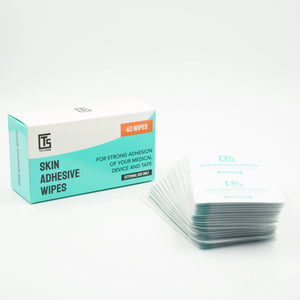
How to make sure your CGM patch is actually hypoallergenic

If you’ve ever experienced itching, redness, or flaking skin under your CGM patch, you’re not alone. Many people with diabetes are told they need a “hypoallergenic patch” – but what does that even mean? And how do you really know if your patch is safe for sensitive skin?
Let’s break it down: the labels, the ingredients, and what to watch for when shopping for your next CGM adhesive patch.
What does "hypoallergenic" actually nean?
Right, so here’s the thing – there’s no legal definition of hypoallergenic. Brands can slap the word on a product without having to meet a specific standard. In general, it means the product is less likely to cause an allergic reaction, but that doesn’t guarantee your skin won’t react.
Here’s what you can look for:
-
Skin-safe adhesives – Designed to minimise irritation even with prolonged wear
-
Latex-free materials – Latex allergies are common, so avoiding it is key
-
No added fragrance or dyes – These are frequent triggers for contact dermatitis
-
Patch testing or dermatologist approval – Bonus points if it’s backed by real testing
Ingredient deep dive: what’s actually in a CGM patch?
We analysed the most common materials in CGM patches marketed as hypoallergenic. Here's how they stack up:
|
Material / Component |
What It Does |
Skin Safety Notes |
|
Medical-grade acrylic adhesive |
Keeps the patch stuck for days |
Often hypoallergenic but may vary by brand |
|
TPU (thermoplastic polyurethane) |
Flexible, breathable backing |
Latex-free and generally well tolerated |
|
Paper/fabric blend |
Lightweight material used in some patches |
May include binders – check for latex |
|
No fragrance or colouring |
Helps reduce risk of irritation |
Always a good sign for sensitive skin |
|
Silicone-based adhesive |
Occasionally used for low-irritation patches |
Extremely skin-friendly but rare in CGM patches |
Tip: If a patch doesn’t list its materials clearly or dodges questions about allergens, it’s probably not your safest option.

What to avoid in a CGM patch (especially if you have sensitive skin)
- Generic off-brand patches with no clear materials or safety info
- Heavy-duty adhesives made for industrial or sports use (these are rarely gentle)
- Latex rubber or synthetic dyes – major culprits for rashes
-
Patches with added scents or colours – even natural scents can irritate broken skin
Universal tips for all skin types
Even if your skin isn’t classically “sensitive,” CGMs sit on the body for days at a time – so protecting your skin is essential.
Here’s what everyone should do:
- Always clean and dry the skin before applying a patch
- Use a barrier wipe (like Cavilon or Skin-Prep) for extra protection
- Rotate your CGM site to prevent buildup of irritation
-
Give skin a break if you notice any redness or bumps
And if you do start noticing a reaction, check out our guide on how to tell if your CGM patch is causing irritation – it walks you through step by step.
Hypoallergenic options that actually work
Looking for CGM patches that are gentle on skin and actually stay on? We’ve done the testing – and here are our top picks from the Type Strong CGM Patch Collection:
- Dexcom G6 Adhesive Patches – Latex-free, breathable, available in hypoallergenic options
- Freestyle Libre Adhesive Patches – Trusted for gentle wear, even on sensitive skin
- Medtronic Guardian & Infusion Set Patches – Designed to minimise rubbing or rash
-
Omnipod Patches – Fragrance-free and secure for active use
You can also build your own patch bundle if you want to mix and match styles to see what works best.
The bottom line
The word “hypoallergenic” on its own isn’t enough. What matters is what’s actually in the patch – and how your skin responds to it over time.
Look for clear ingredient lists, latex-free adhesives, and proven wearability. Your skin deserves care as much as your diabetes tech does.
Ready to find your skin-safe patch? Browse our hypoallergenic patch range here and give your skin the comfort it deserves.


